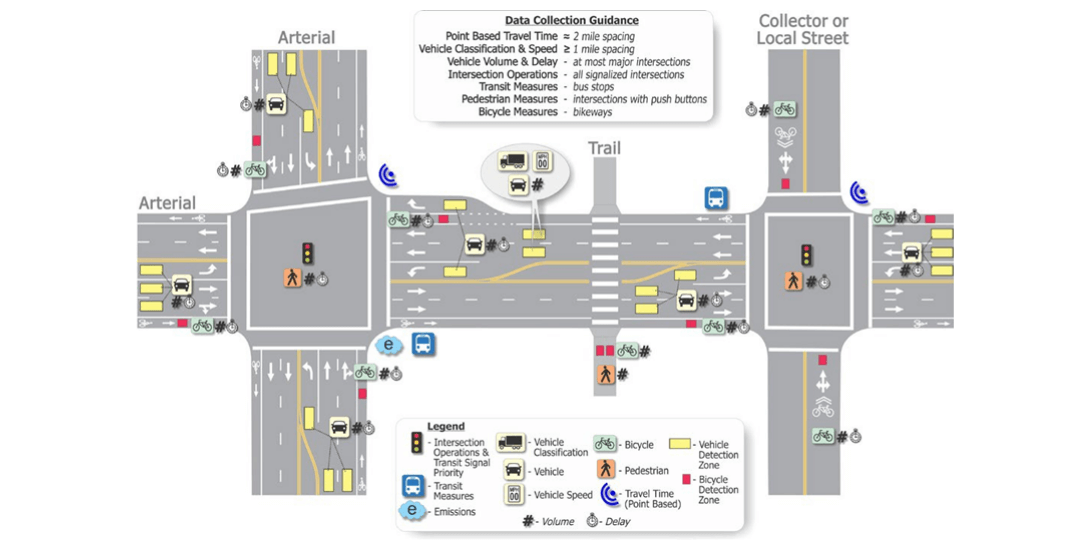
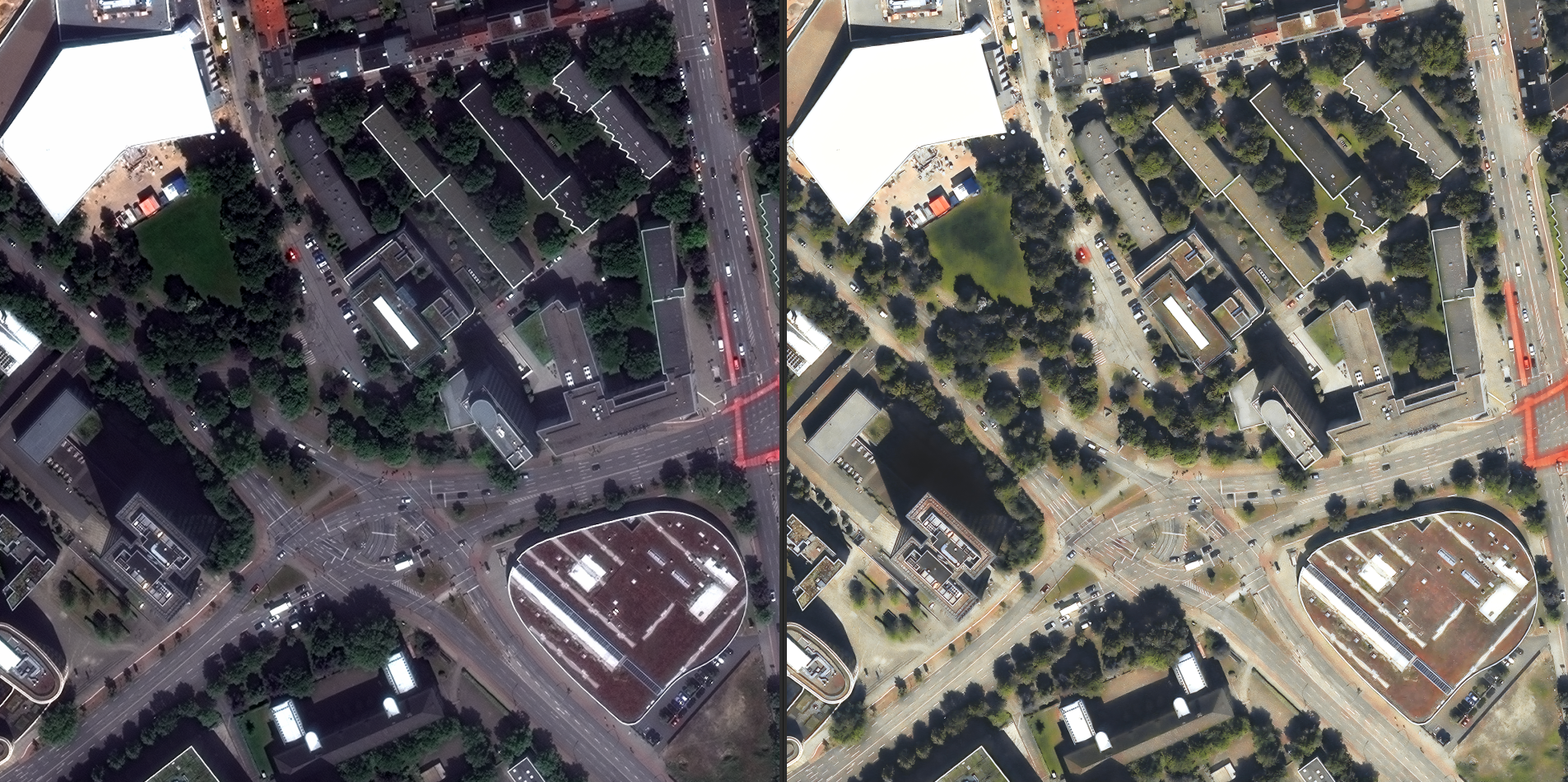
Transportation mapping is one of the most widely used applications of GIS and geospatial data. Around the world, transport networks move people, goods and information to where they are needed — and accurate maps of those networks are essential to planning and managing them.
Networks that evolve
As communities grow and change, so do their transport demands. Population growth may call for wider sidewalks to handle more pedestrians; a shift away from car dependence may reshape road space entirely. Mapping that keeps pace with this evolution is what makes effective planning possible.
More than navigation
Transportation maps do more than guide a traveller to a destination — they empower the teams who design and maintain the network to serve community needs. With detailed, current geospatial layers, planners can analyse connectivity, target improvements and keep the system working as the city changes.
Where the data comes from
The quality of all this rests on the quality of the underlying data. AI-extracted vector layers — roads, sidewalks, crossings and more — give transportation teams a consistent, current foundation that traditional survey methods struggle to match at scale.