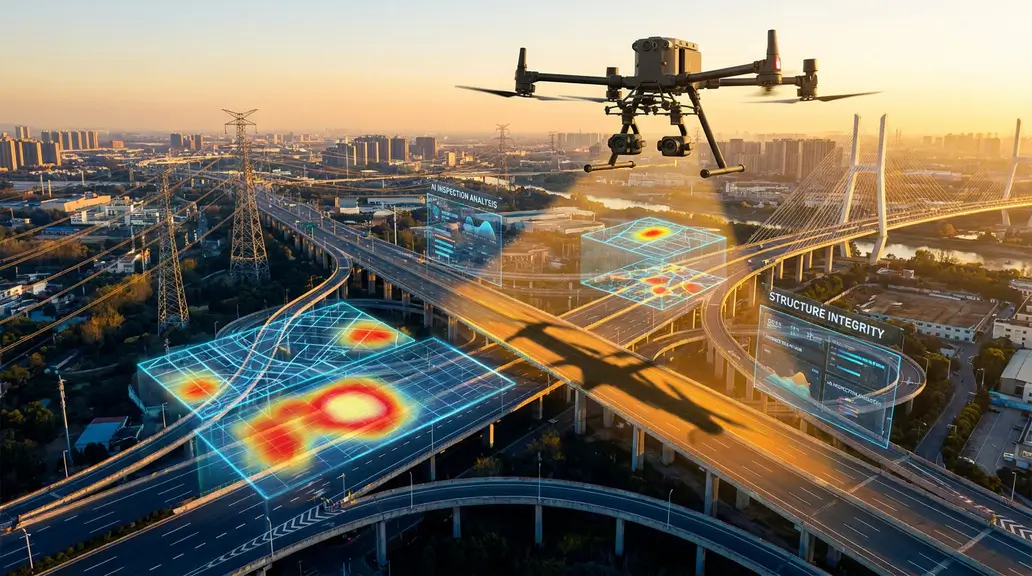
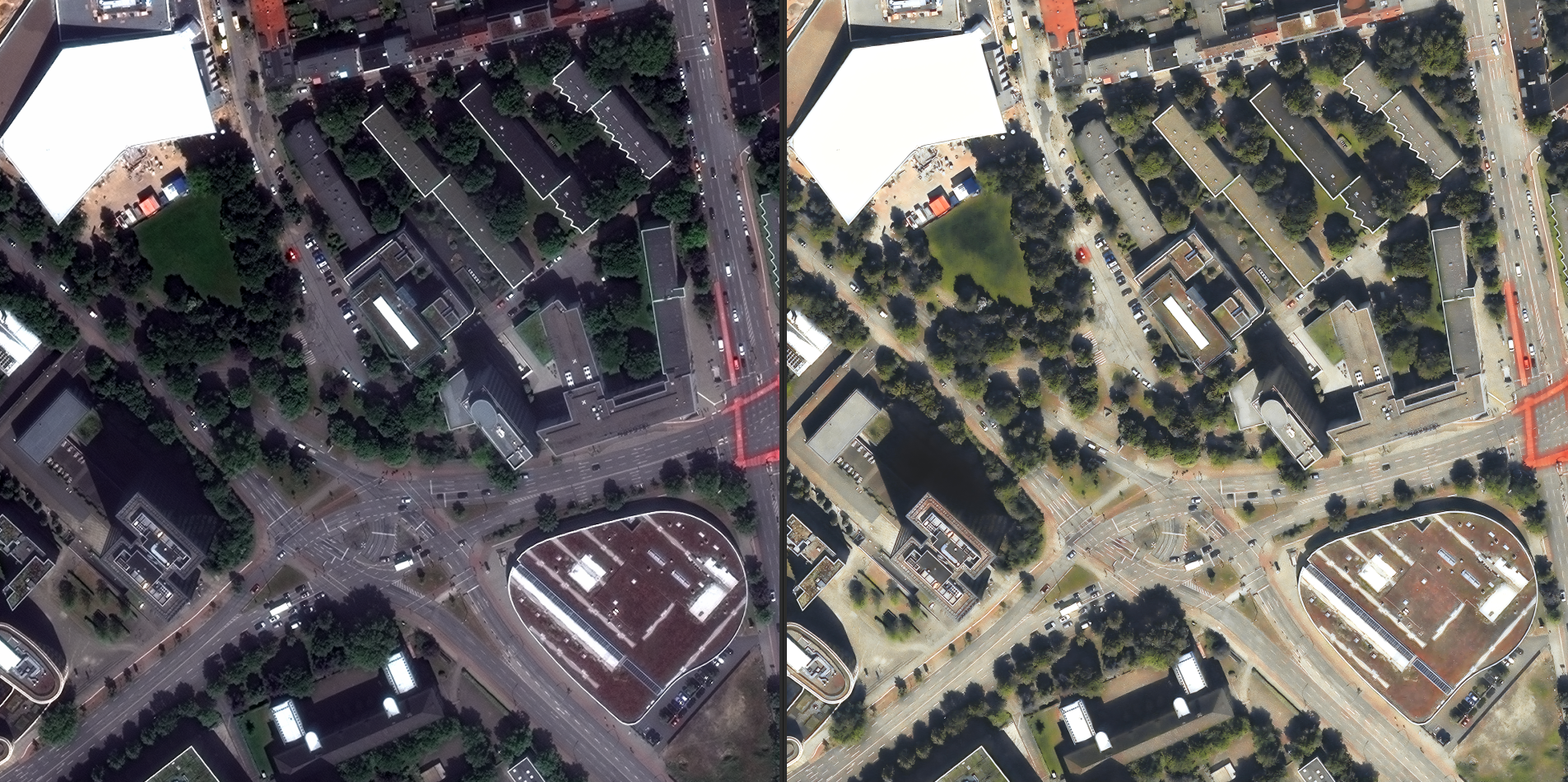
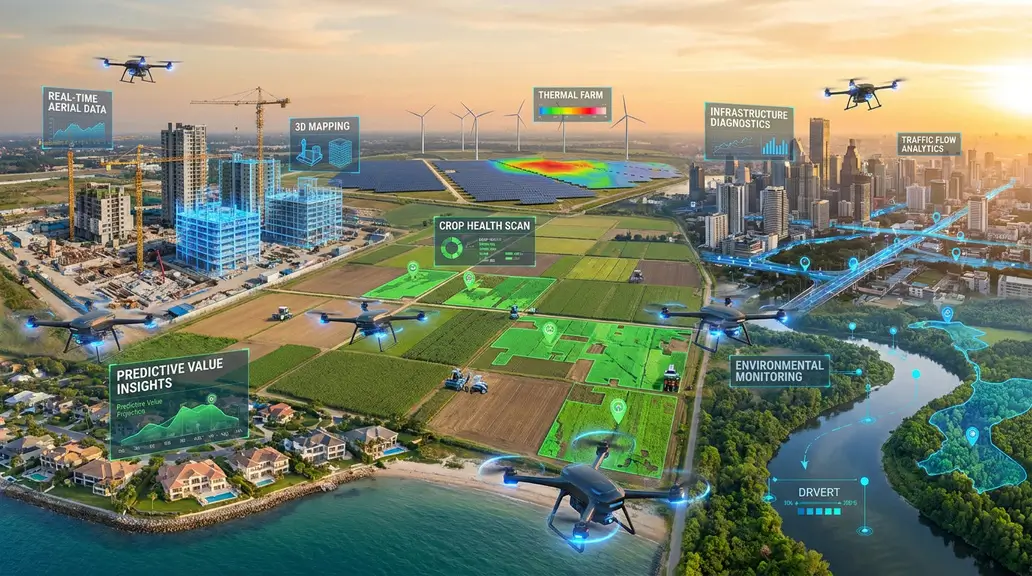
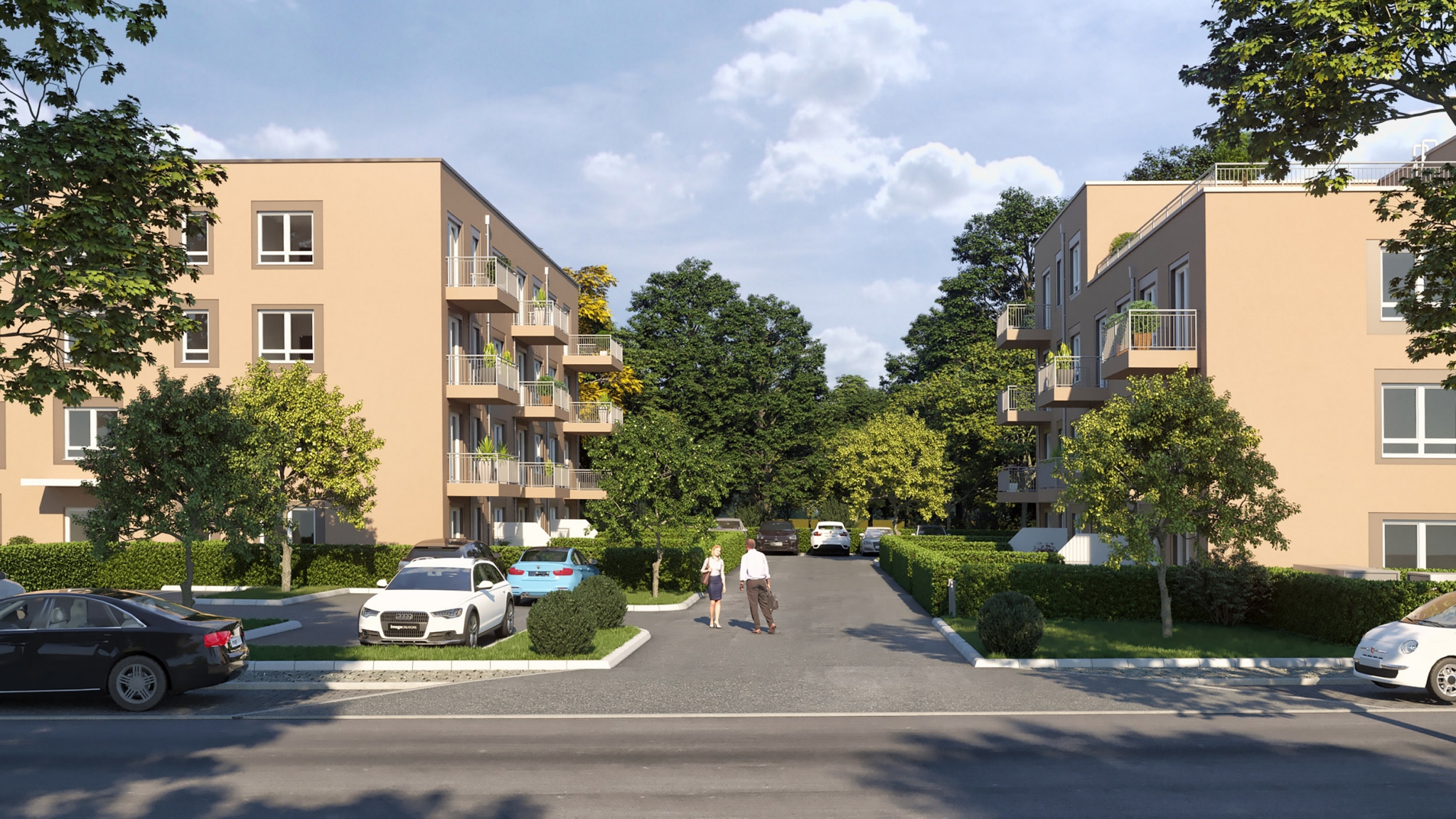
Planning decisions are spatial, but they are too often made on flat drawings and imagination. A digital twin — a true-to-life, measurable 3D model of the city — lets planners, councillors and the public see a proposal in context before anything is built, and test its effects with real analysis rather than guesswork.
One model, many questions
Built from our imagery, photogrammetry and LoD2 buildings, the twin is not just a render — every object is georeferenced and attributed. That means you can ask quantitative questions of it:
- Shadow & solar: how does a new tower shade the park in December?
- Sightlines & massing: what will residents actually see from the street?
- Flood & runoff: where does water go after we seal that lot?
- Noise: how does traffic sound propagate between blocks?
From office to public consultation
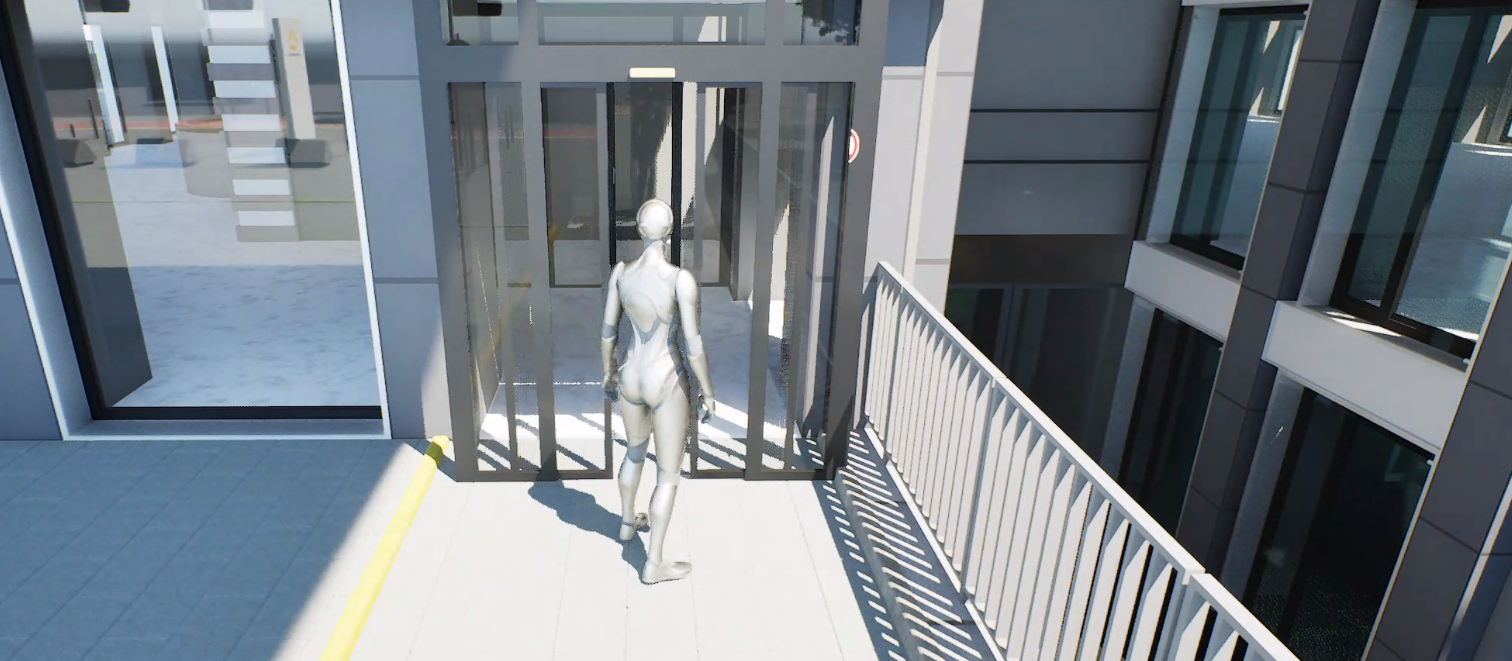
Because the twin streams to a browser through our 3D web tile engine, the same model serves the planning office and the public consultation — no specialist software for either. Stakeholders fly through the proposal, and ChatGIS lets them ask questions of it in plain language.
Standing up a twin for your jurisdiction? Start with a pilot area.